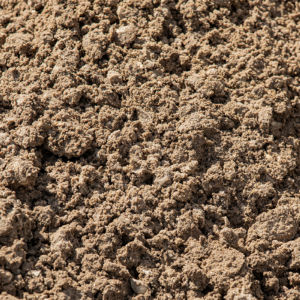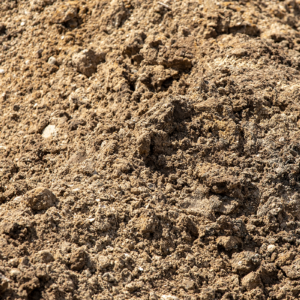
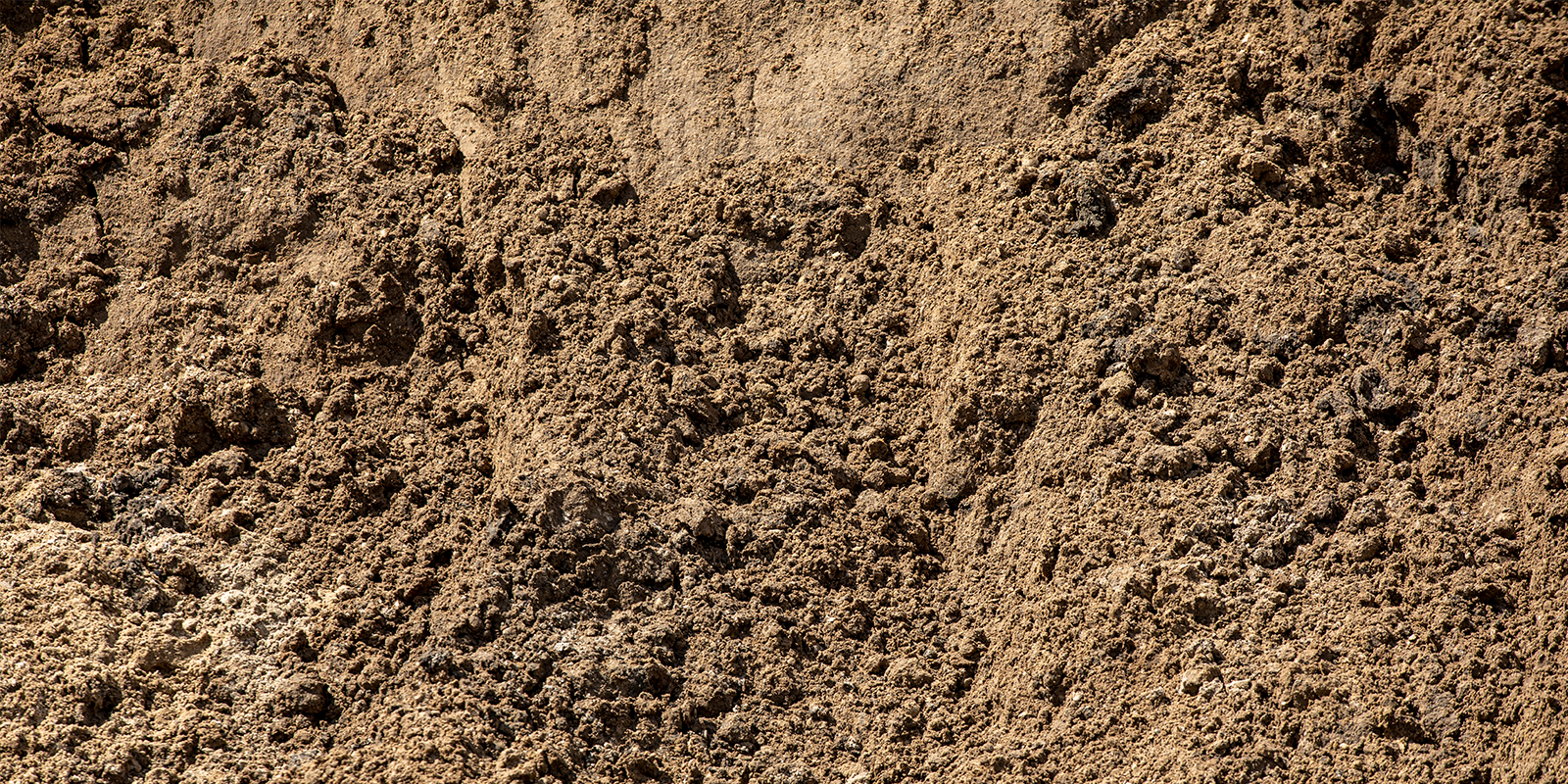
Fill dirt is the layer of soil typically found about six inches beneath the topsoil. This layer of soil is commonly used in construction due to it containing no organic material. If organic material were found it would make the area where it is being used unstable. Organic matter over time breaks down and pockets of air are created allowing for the soil to shift and become unstable for a structural foundation.
Fill dirt is a necessary material used in many construction projects. It is used to fill in large holes, land grading, backfill, elevating the ground to create mounds and much more. There are a couple of considerations to take before tackling a Florida fill project. When selecting the fill dirt type you need you will see two options: screened and unscreened. While both are commonly used in construction every construction project has different requirements.
Screen Fill And Its Process
Screen fill dirt has a finer consistency than other fill soils. Screen fill goes through a thorough screening process. The process consists of removing rocks or any large debris bigger than three-quarters of an inch. Next, the soil is moved to mesh screens and sifted. This process allows for the end result to have a finer consistency and to ensure no large debris is found on the final product.
Due to the extensive process screened fill goes through it is more expansive soil than unscreened fill. For these reasons, it is important to make sure the screen fill dirt bought is coming from a reputable wholesale dirt supplier.
Benefits of Screen Fill Dirt
If screen fill is used in a construction project, there is confidence the foundation will not suffer from settling. Due to the screening process, large particles are removed from the dirt producing a more compact soil, furthermore, when water enters the soil a more solid foundation is created.
Other benefits screen fill brings to a project is precision. Since screen fill does not contain any debris, the amount of material needed to complete the project can easily be calculated without having to factor in natural material found in dirt.
Reach Out To The Florida Fill Dirt Experts
Acquiring dirt from a reputable Florida wholesale dirt supplier is key in any project. Knowing the dirt purchases were thoroughly processed gives confidence in buying the material needed. At Barclay Earth Depot, they understand the differences between the soils and the importance of each in any project. Reach out to Barclay Earth Depot over the phone at 941-WE-DIG-IT to learn more about screen fill or request a quote online today.
Screened Fill Dirt FAQs
Unscreened Fill: Contains various sizes of rocks, roots, and clay clumps. It is cost-effective for deep “bulk” filling where texture doesn’t matter.
Screened Fill: Undergoes an extra mechanical process to ensure a consistent texture. It is preferred for projects where precision and easy hand-shoveling or grading are required.
Because the large debris is removed, Screened Fill can be compacted more tightly and evenly. Large rocks in unscreened dirt can create “voids” or air pockets; over time, these pockets shift, leading to settling. Screened fill ensures a solid, uniform base that provides maximum stability for foundations and pads.
While the texture is fine and easy to work with, Screened Fill is still “subsoil,” meaning it lacks the organic nutrients found in topsoil. It is excellent for leveling a yard or filling low spots before laying sod, but we recommend topping it with a layer of Screened Topsoil if you plan to plant seeds or a garden.
Clean Fill is meant for structural volume and leveling, not for nutrients. Because it lacks organic matter, it isn’t ideal for gardening. For the best results, we recommend using Clean Fill to raise your elevation and then topping it with 2–4 inches of high-quality Topsoil to support your lawn or plants.
Not necessarily. Clean refers to the purity of the material (no toxins/trash), whereas Screened refers to the texture (the removal of rocks and roots). Clean fill may still contain small rocks or clumps. If you need a very fine, smooth texture for a finishing project, you may want to ask about our screened options.
You can call us directly at 941-WE-DIG-IT or request a quote online through our website.
Areas We Deliver Screened Fill Dirt:
Related Blog Posts
- How the Right Fill Dirt Can Help Prevent Flooding During Florida’s Rainy Season
- Why the New Year Is the Perfect Time for Site Grading and Fill Dirt Projects in Lakeland, FL
- How to Properly Prepare Your Site With Fill Dirt Before Laying Sand in Lakeland, FL
- How to Estimate Fill Dirt and Aggregate Sand for Large Construction Jobs in Lakeland, FL
- Fill Dirt and Site Elevation in Flood-Prone Areas of Lakeland