 Essential Takeaways
- Aggregate sand provides superior drainage through particle spacing, making it important for water management applications.
- Fill dirt provides maximum stability and load-bearing capacity because it compacts tightly without decomposing organic matter.
- Lakeland’s humid climate and sandy soil conditions require strategic material selection to prevent settlement and water damage.
- Foundation work demands fill dirt’s compression resistance, while backfilling and drainage systems need aggregate sand’s permeability.
- Many projects benefit from layered approaches using fill dirt for structural support, topped with aggregate sand for water control.
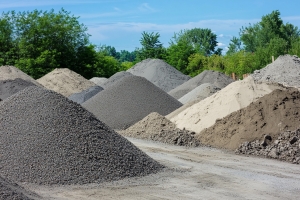
Choosing between aggregate sand and fill dirt affects whether your foundation stays level or if drainage problems develop months after construction. Each material has different particle compositions and behaviors. Comprehending these differences helps builders and contractors select materials that align with site conditions and project requirements, and avoid expensive repairs later.
Fill dirt comes from soil layers beneath topsoil, containing a mix of clay, small rocks, and subsoil particles. The main advantage is that it lacks organic matter that breaks down over time. When organic materials decompose, they create voids that cause settling and shifting, which is why clean fill dirt provides the stable base construction projects require.
Aggregate sand consists of rock particles that have been crushed and screened to specific size ranges. The spaces between individual sand grains allow water to move through quickly, resulting in excellent drainage but less stability than compacted fill dirt. However, sand particles don’t absorb water or expand when wet, so they maintain a consistent volume across varying moisture levels.
When Fill Dirt Delivers the Performance You Need
Foundation work requires materials that compress uniformly and support substantial weight without settling. Fill dirt handles these demands because the combination of clay, soil particles, and small rocks creates dense, stable layers when properly compacted. The material forms a solid base that distributes loads evenly across the entire footprint.
In Lakeland’s sandy soil, building foundations require maximum bearing capacity. Fill dirt provides this strength through its particle interlocking and clay content, which binds materials together as moisture levels change. And since the material contains no decomposable organic matter, you avoid the settlement issues that occur when buried vegetation breaks down.
Land grading and elevation adjustments also call for fill dirt. When you need to raise site elevations, fill holes, or create level building pads, fill dirt maintains its shape after compaction. The material resists erosion better than loose sand, which matters in Florida’s heavy rainfall conditions, where unprotected slopes can wash away during storms.
Roadway embankments and parking areas benefit from the weight-bearing characteristics of fill dirt. These applications involve repeated heavy loads that would cause aggregate sand to shift and displace over time. Compacted fill dirt handles this constant pressure while maintaining surface stability, so you get longer service life from paved areas and reduced maintenance costs.
Where Aggregate Sand Outperforms Other Materials
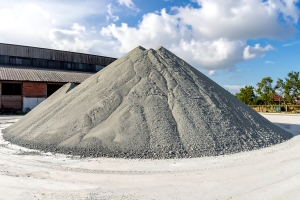 Drainage systems depend on the permeability of aggregate sand to function properly. The spaces between sand particles create channels that allow water to flow through instead of pooling on surfaces or saturating surrounding materials. This rapid water movement prevents the hydrostatic pressure that can damage foundation walls and cause flooding.
Backfilling around foundations requires materials that drain quickly while providing adequate support. Aggregate sand fills this role by allowing groundwater and rainfall to drain away from foundation walls rather than accumulate against them. In Lakeland’s humid climate with frequent afternoon thunderstorms, this drainage capacity protects structures from moisture-related damage.
Septic system drain fields need aggregate sand to distribute effluent properly. The material’s particle spacing lets liquid waste percolate through while preventing the system from becoming waterlogged. Without proper drainage, septic systems fail prematurely and require expensive repairs, which is why code requirements typically specify aggregate sand for these applications.
Concrete production relies on aggregate sand as a primary component. The sand fills voids between larger gravel particles in the mix, creating dense, strong concrete when combined with cement and water. You need sand with specific particle size distributions to achieve proper workability and final strength characteristics, so material quality directly affects concrete performance.
Lakeland’s Soil Conditions and Material Selection
The region’s naturally sandy soil means that projects often deal with loose, shifting ground conditions. Adding more sand without proper compaction doesn’t solve stability problems, which is why foundation work typically requires imported fill dirt to create solid bearing layers beneath structures.
High water tables throughout much of Lakeland make drainage a constant concern. Aggregate sand helps manage this groundwater by creating permeable layers that channel moisture away from foundations and prevent saturation. However, you need to balance drainage requirements against structural needs by using both materials strategically.
Seasonal rainfall patterns create moisture cycling that affects how materials perform over time. Fill dirt maintains its compression characteristics through wet and dry periods, while aggregate sand continues providing drainage capacity regardless of moisture levels. Recognizing these seasonal effects helps you choose materials that deliver consistent performance year-round.
Combining Materials for the Best Project Results
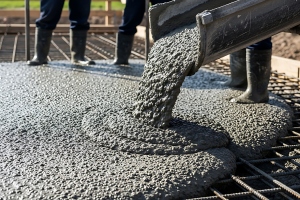 Many construction scenarios benefit from using both fill dirt and aggregate sand in different layers. A common approach starts with compacted fill dirt to create a stable base, then adds aggregate sand on top for drainage. This layered system provides structural support while preventing water accumulation that could compromise the foundation.
Retaining walls often use fill dirt behind the wall for stability, with aggregate sand placed directly against the wall surface for drainage. This configuration prevents hydrostatic pressure from building up behind the wall while maintaining adequate backfill support. The sand layer channels water into drainage pipes rather than allowing it to saturate the entire backfill area.
Site grading projects may require fill dirt to establish proper elevations and slopes, followed by aggregate sand in specific areas where drainage is essential. For example, you might use fill dirt to create building pads and roadways, then install aggregate sand along drainage swales and around catch basins to establish that water flows toward collection points.
Get the Right Aggregates for Your Lakeland Project
Barclay Earth Depot‘s team draws on 80+ years of combined excavation experience to help builders and contractors select materials that match project requirements and site conditions. We understand how Lakeland’s humid climate and sandy soils affect material performance, and we provide both aggregate sand and fill dirt that meet Florida construction standards. Contact us today at (941) WE-DIG-IT or online to discuss your specific needs and source materials that deliver reliable, long-term results.