 Essential Takeaways
- Angular particle shapes in aggregate sand create mechanical interlocking that significantly improves stability compared to rounded grains.
- Proper particle size distribution fills voids between larger grains, preventing settlement and improving load-bearing capacity.
- Florida’s high water table and sandy native soils require well-compacted aggregate bases to prevent foundation shifting.
- Optimum moisture content ranges from 5% to 14% for Florida limerock and varies by material source and testing results.
- FDOT specifications require a maximum dry density of 98% for traveled ways and a minimum Limerock Bearing Ratio of 100.
When your concrete slab cracks within the first year or your building settles unevenly, you’re typically looking at compaction problems in the base layer. Poor compaction allows water to infiltrate, creates voids beneath your structure, and allows gradual settlement that damages everything built on top. In Florida’s challenging soil conditions, where sandy native soil and constant moisture work against stability, the aggregate sand you choose and how you compact it determine if your foundation stays level for decades or starts failing within months.
Angular Particles Lock Together Under Pressure
The shape of sand particles directly controls how tightly they pack when you compact them. Aggregate sand from crushed rock has sharp, irregular edges that catch against neighboring particles when pressure forces them together. This mechanical interlocking creates a dense matrix that resists movement once it’s compressed.
Naturally rounded sand grains slide past each other more easily, which means they don’t achieve the same stability even with aggressive compaction. The angular surfaces on manufactured aggregate sand increase interparticle friction and mechanical stability, though they require greater compactive effort than rounded particles to reach their full potential. For base layers supporting foundations or roadways, this difference translates into higher bearing capacity and less risk of future settlement.
Florida construction demands maximum compaction because the state’s sandy native soils provide minimal support on their own. When you place angular aggregate sand over these weak substrates and compact it correctly according to FDOT Section 200 standards for limerock base construction, you’re creating a stable platform that distributes loads evenly instead of allowing point loading that causes differential settlement.
Particle Size Distribution Eliminates Weak Spots
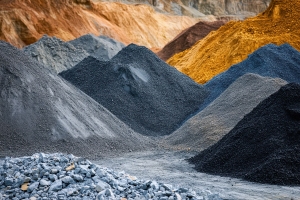 Single-sized particles leave gaps between grains, no matter how much you compact them. However, aggregate sand with varied particle sizes fills these voids as smaller grains fit into spaces between larger ones. This gradation directly affects how much weight your base can support and how stable it remains over time.
Well-graded aggregate sand typically includes particles ranging from fine sand up to small gravel sizes per FDOT Section 204 specifications for graded aggregate base. During compaction, the smaller particles migrate into gaps between coarser grains, reducing the void ratio and increasing overall density. Less void space means water can’t accumulate and cause erosion from below, which is particularly important in Florida, where groundwater sits close to the surface.
The compaction process works better with this particle variety. Each compaction pass forces material into tighter arrangements, and the range of sizes helps achieve density levels that uniform sand simply can’t match. For projects where settlement would damage structures or create safety hazards, controlled gradation in your aggregate sand is essential rather than optional.
Florida Conditions Require Specific Compaction Approaches
High humidity and frequent rainfall create specific challenges for achieving stable compaction in Florida. Moisture content in aggregate sand affects how particles respond to compaction forces. Too much water acts as a lubricant that prevents particles from locking together, while too little moisture means you won’t reach optimal density.
Optimum moisture content typically ranges from 5-14% for Florida limerock and must be determined through laboratory testing using AASHTO T-180 methods for each material source. Southern Florida sources generally run 5-9% moisture, while central and north Florida materials can reach 14% depending on location and seasonal conditions. Contractors working in Florida’s climate need to monitor moisture carefully and maintain levels within 2% of the optimum determined for their specific aggregate source.
Layered compaction produces better results than trying to compact thick deposits all at once. Place aggregate sand in lifts not exceeding 6 inches of compacted thickness, with 8-inch lifts permitted only after demonstrating that the equipment can achieve the required density throughout the full depth. This approach prevents the creation of weak zones where deeper material didn’t receive adequate compaction energy.
FDOT specifications require a minimum 98% of maximum dry density for traveled ways and 95% for shoulder pavement, with a Limerock Bearing Ratio of at least 100 to establish adequate structural support.
Water Moves Through Without Undermining Support
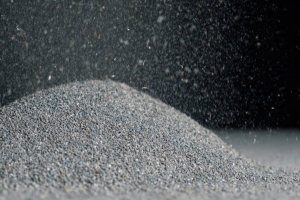 Aggregate sand serves dual purposes in Florida construction. First, it provides a stable base with high bearing capacity. Second, it allows water to drain through rather than pool beneath structures. These functions work together because proper compaction creates density while maintaining permeability.
The angular particles and varied gradation that improve compaction also create connected pathways for water movement. Unlike clay soils that hold moisture and lose strength when saturated, well-compacted aggregate sand sheds water quickly. This drainage capability prevents hydrostatic pressure from building up under slabs and foundations during Florida’s heavy rain events.
Maintaining this balance requires attention during installation. Over-compaction can crush particles and reduce permeability, while under-compaction leaves excessive voids that allow too much settlement. The goal is to achieve specified density targets that provide both structural support and adequate drainage for long-term performance.
Order High Quality Aggregate Sand Today
Proper aggregate sand selection and compaction techniques protect your construction investment from the settlement and stability problems that plague Florida projects built on inadequate bases. The right material with appropriate particle characteristics, combined with proven compaction methods that meet FDOT standards, creates foundations that perform reliably in challenging soil and moisture conditions.
Barclay Earth Depot‘s team has extensive experience in helping Florida contractors choose aggregate materials that meet specific project requirements. We understand how local soil conditions and climate factors affect compaction results and can guide you toward materials and methods that deliver lasting stability. Contact us today at (941) WE-DIG-IT or online to discuss your project needs and make sure your next foundation stays level and secure for decades to come.