Essential Takeaways
- January through March offer some of the driest soil conditions of the year for compaction work in Lakeland.
- Dry soil allows proper particle arrangement and prevents equipment-related compaction problems.
- Cooler winter temperatures enable full work days without heat-related safety delays.
- Completing grading before spring means sites are ready when building crews become available.
- Moisture-free conditions reduce material waste and eliminate weather-related delays.
If your grading crew shows up and finds saturated soil that won’t compact properly, you’re looking at delays that could push your timeline into Florida’s wet season. Poor scheduling turns simple fill dirt projects in Lakeland, Florida, into extended operations where equipment creates more compaction problems than it solves. Here’s why starting site preparation work in the new year prevents these complications and sets up better results.
Soil Moisture Levels Affect Compaction Results
Soil moisture directly determines how well fill dirt compacts during grading operations. When particles have too much water between them, heavy equipment compresses the structure incorrectly and creates weak spots that lead to settlement issues later.
Lakeland’s winter months from January through early March provide some of the driest ground conditions of the year, which means particles can reorient into proper load-bearing arrangements. With monthly precipitation averaging around 2-3 inches during this period, compared to 8-9 inches during summer months, you get the moisture-controlled environment that compaction work requires.
The difference shows up in your density testing. Dry soil allows equipment to achieve specified compaction ratios in fewer passes, so you’re not running machinery over the same areas repeatedly trying to reach the target density. This efficiency reduces fuel costs and equipment wear while delivering better structural results.
Wet conditions do the opposite. Using heavy machinery when the soil holds excess moisture exacerbates compaction problems because particles can’t arrange correctly under pressure. You end up with areas that test fine initially but develop settling problems because the particles never arrange into a structure that can properly support loads.
Equipment Performance and Site Access
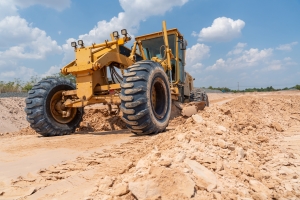 In January and February, Lakeland conditions allow your equipment to move between sites without creating ruts or getting stuck in soft ground. Grading operations require stable surfaces for machinery to operate efficiently, and dry soil naturally provides this stability. Cooler temperatures also mean your crews can work full days without heat-related safety delays that slow summer operations.
When the ground remains firm and temperatures are reasonable, your crews can position equipment precisely and work without constantly dealing with traction issues or needing extended breaks during the hottest parts of the day. Scrapers, dozers, and compactors perform their intended functions instead of spending time working around muddy conditions or managing heat stress concerns. The time you save on each operation adds up across the project timeline.
Summer grading projects encounter both problems. Lakeland’s wet season runs from June through September, bringing afternoon storms that saturate the soil and dangerous heat levels that limit safe working hours. Equipment sitting idle due to weather delays or reduced productivity from shortened workdays costs money, while your schedule extends further into the problematic season.
Strategic Timing for Construction Schedules
Starting fill dirt and grading work in January positions your site ready when spring building crews become available. Most contractors plan projects to begin in spring, when the weather is milder, creating high demand for construction services. Having your site already graded and compacted means you’re ready when your building crews or landscape contractors can start work.
Projects that start during the wet season face the opposite problem. You’re grading through afternoon storms and saturated conditions, then waiting for drier weather to begin construction. That extended timeline increases costs and pushes completion dates further out.
Material Performance in Dry Conditions
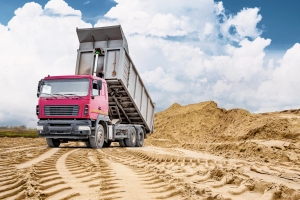 Fill dirt needs specific moisture levels to achieve proper compaction. Too dry and particles won’t bind together effectively. Too wet and you get the problems we’ve already discussed. Winter conditions in Lakeland typically provide moisture levels within the ideal range for compaction work, without requiring extensive drying time.
This natural moisture balance means the fill dirt you bring to the site can be placed directly and achieve the specified density quickly. You’re not paying for materials to sit and dry out, and you’re not dealing with loads that arrive too wet to use immediately.
The soil structure created during dry-season compaction holds up better over the long term. Particles that arrange correctly under controlled moisture conditions maintain their density through subsequent wet seasons, which means your foundations stay stable and your site doesn’t develop low spots from differential settling.
Plan Your Fill Dirt Projects in Lakeland, Florida With Barclay Earth Depot
Barclay Earth Depot’s team has extensive experience with Lakeland’s seasonal weather patterns, so we understand how they can affect site preparation. We can help you plan material delivery timing to match optimal compaction conditions and keep your projects moving efficiently. Contact us today at (941) WE-DIG-IT or online to work with a supplier who knows Florida’s construction requirements.