
 Essential Takeaways
- White sand reflects sunlight, amplifying the visual impact of architectural plants such as palms and sea grape.
- Florida’s native plants evolved in sandy, nutrient-poor soils, making them natural companions for white sand landscapes.
- Matching plant species to their correct sandy soil zone determines long-term success without extra irrigation.
- Drought-tolerant natives such as muhly grass, coontie, sea oats, and dune sunflower perform well in free-draining sandy soil.
- Layering ground covers, mid-height plants, and structural specimens creates a low-maintenance design that supports pollinators year-round.
Pairing plants with white sand for landscaping can go wrong when the species don’t match the drainage conditions the sandy substrate creates. Many Florida garden planning mistakes come down to choosing plants that need consistent moisture in soil that dries quickly, or missing the design potential of white sand’s light-reflective surface.
The right native Florida plants solve both problems at once. They evolved in sandy, nutrient-poor conditions with long dry spells and sudden heavy rain, so they do better in white sand landscapes. Done right, the combination produces a sustainable Florida landscaping design that needs far less maintenance than conventional garden beds.
Why Free-Draining Sandy Soil Changes Plant Selection
White sand moves water through the soil column quickly. That’s exactly what makes it difficult for moisture-loving plants and ideal for drought-tolerant species. Blanket flower, muhly grass, and coontie don’t need consistent moisture. Sitting in poorly-draining soil actually shortens their lifespan. In free-draining white sand, their root systems stay healthy, irrigation demands stay low, and the result is a drought-tolerant landscaping approach that works with Florida’s climate rather than against it.
The Florida Native Plant Society maintains a curated database of cultivated and commercially available native species. Not all of Florida’s more than 3,200 native plants make the list since it focuses on species that can be sourced and grown commercially. Narrowing your sandy soil plant selection to species that evolved in dry, exposed sandy environments still makes the difference between a garden that establishes well and one that demands constant attention.
Choosing Plants by Sandy Soil Zone
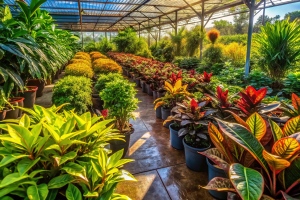 Coastal and inland Florida landscapes share a common challenge: the closer you get to open water or direct wind exposure, the fewer species perform reliably in the long term. Florida Native Plants Nursery breaks these coastal conditions into three zones: frontal dunes, back dunes, and forest zones, and the plants that hold up in each are quite different.
For back dune and inland sandy garden designs, several species are worth prioritizing:
- Sabal palm: Florida’s state tree and one of the most hurricane-resistant plants in the state. Planted in clusters of three to five at varying heights, sabal palms create natural shade while their trunks. Fronds cast layered shadows across the white sand below.
- Sea grape: According to The University of Florida/IFAS, mature sea grape in landscape settings produces a moderately dense crown reaching 35 to 50 feet high with a spread of 20 to 30 feet across. Its large, round leaves create a sharp contrast over white sand. Making it one of the strongest architectural choices for coastal garden ideas. Plan spacing accordingly, since a sea grape allowed to reach full size takes up considerably more room than a pruned shrub form.
Plants by Sandy Soil Zone
- Coontie: A cycad that handles everything from full sun to nearly full shade without needing pruning. It’s compact, adaptable, and low-maintenance, making it one of the best options for a hands-off sand-and-plant design.
- Muhly grass: A drought-tolerant native grass with feathery pink plumes in late summer and fall. The plumes catch light differently above white sand than above dark mulch, adding movement and seasonal interest to Florida landscape design.
- Dune sunflower: A spreading ground cover with bright yellow blooms and high drought tolerance that stabilizes sandy soil and attracts pollinators throughout the season. Research has found that nearly 96% of North America’s land bird species depend on insects as an essential food source for their young. Those insects need native plants to complete their life cycles.
- Prickly pear cactus: One of the few true cacti native to Florida, prickly pear handles full sun and dry sandy soil with no supplemental irrigation once established. Its flat, paddle-shaped pads and bright yellow blooms create a strong visual contrast against white sand. The fruit attracts birds and other wildlife through summer and fall.
Using White Sand for Landscaping as a Design Tool
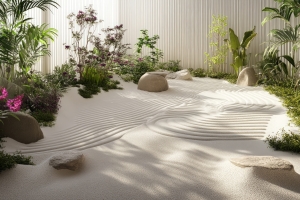
White sand amplifies sunlight and creates contrast that dark mulch can’t produce. Architectural plants look particularly strong positioned above it. Sea grape’s wide, leathery foliage stands out sharply against a bright ground surface. Sabal palms cast complex, shifting shadows across the sand throughout the day. Giving the garden depth and visual interest that stays appealing year-round.
For more on how sand texture and color affect outdoor aesthetics, see how landscaping sand adds coastal charm to any outdoor space.
Laying Out the Design
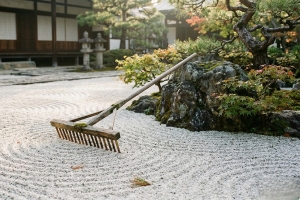 A simple three-layer approach works well for xeriscaping tips applied in sandy Florida soil. Ground covers, such as dune sunflower and beach verbena, fill the low level, holding sand in place and suppressing weeds. Mid-height plants, such as muhly grass, coontie, blanket flower, prickly pear cactus, form the middle tier with seasonal color and pollinator support. Structural specimens such as sabal palms and sea grape take the upper canopy.
Before you lay sand, make sure the grade and base layers are set up correctly. A poor base creates drainage problems that affect plant performance for years. Review how to prepare your site with fill dirt before laying sand to get the foundation right before planting begins.
Let Barclay Earth Depot Help You Design With the Right Materials
Getting your Florida garden planning right starts with the proper sand. Barclay Earth Depot supplies white sand for landscaping to homeowners, landscapers, and developers throughout Florida. Our team can match the grade and volume to your specific project. Our extensive experience and deep roots in Florida’s aggregate industry mean that we know what sustainable landscaping Florida demands at the material level. Contact us today at (941) WE-DIG-IT or online to get started.