
 Essential Takeaways:
- White sand for landscaping paths is soft, barefoot-friendly, and stays cooler than denser surfaces in direct sun.
- White gravel walk path surfaces hold their position better under foot traffic and outperform sand on sloped or drainage-sensitive terrain.
- Sand paths need firm edging and more frequent raking than gravel to stay level and contained.
- Gravel is the more durable, lower-maintenance option for functional walkways.
- Many professional installs use a compacted gravel base with 2–3 inches of sand or gravel on top to balance comfort, drainage, and stability.
Pick the wrong walk path material, and you notice it within a season. Sand on a sloped garden trail washes into planting beds with every heavy rain. Hard crushed stone in a poolside lounge area defeats the purpose of the whole space. White sand for landscaping and white gravel walk path options both have real strengths, but those strengths show up in different situations. The right choice depends on how the path will actually be used.
How Each Material Feels Underfoot
The tactile difference between these two materials is significant. Because it provides a soft, cushioned surface, landscaping sand for pathways is most often used in play areas, pool surrounds, and beach-style garden corners where comfort is the priority. It also tends to stay cooler than darker, denser surfaces in direct sun because its lighter color reflects heat rather than absorbing it. For best results, sand paths should sit on a well-draining base rather than bare soil so they don’t turn muddy after heavy rain.
White gravel gives you a firm, defined surface with that characteristic crunching sound underfoot. Among gravel varieties, decomposed granite compacts into a stable, trail-like surface that holds up in both sandals and sneakers without feeling harsh, and it’s easier to manage with strollers or wheelchairs than loose sand. Pea gravel is rounder and softer than crushed stone options, making it a more forgiving barefoot option, though it needs good containment on slopes to stay put.
For zen-inspired or coastal-style garden paths where quiet and softness are the goal, sand is the better fit. For high-traffic routes where you want a surface that feels defined and solid, gravel pulls ahead.
Stability, Drainage, and Slopes
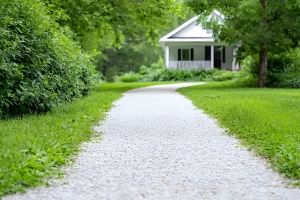 This is where the two materials separate most clearly. Gravel, especially angular crushed varieties, is heavier and interlocks better than loose sand. It resists displacement from foot traffic, rain, and wind. On sloped or drainage-sensitive terrain, gravel’s extra weight and interlocking particles make it much more erosion-resistant than sand. On any path with a grade, sand will migrate downhill during storms, creating uneven spots that require constant correction.
For accessible paths that accommodate wheelchairs, strollers, or anyone with balance concerns, compacted fine gravel or decomposed granite performs considerably better than loose sand. Sand can feel tiring and unstable underfoot for users who need a firm, predictable surface.
Both materials allow water to pass through rather than pool on the surface. Still, a compacted gravel base beneath either material significantly extends the path’s life by reducing washouts, rutting, and mixing with the soil.
Where White Sand for Landscaping Works Best
White sand for landscaping earns its place in low-traffic, comfort-focused applications. Fire pit surrounds, meditation garden paths, barefoot lounge zones, and beach-style corners in Florida backyards all benefit from sand’s soft texture and bright, reflective appearance. Its high reflectivity keeps it noticeably cooler on hot days than dark aggregate or asphalt, which matters in yards that see direct sun most of the year.
Deciding which landscaping sand to use for your specific path design comes down to grain size, grade, and intended use. For walk paths specifically, installers often use white sand as a bedding layer under pavers or as a decorative accent strip alongside a more stable surface. When used as the sole path material, firm edging made from timber, metal, or stone is needed to prevent it from migrating into adjacent lawn and planting areas.
White Prestige Sand works particularly well in these decorative and comfort-focused applications, offering a bright, consistent appearance that holds up in Florida’s sun and humidity. Its consistent grading is designed to compact just enough for walk paths while still feeling soft and forgiving under bare feet. White sand also shows debris more readily than darker materials, so plan for regular raking and occasional top-ups to maintain the clean look.
Where White Gravel Walk Paths Work Best
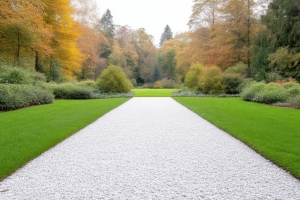
White gravel walk paths win on functional walkways that are used regularly. Gravel does not decompose, does not attract pests, and stays in place without constant leveling. White and light-cream gravel varieties brighten a garden path visually while staying low-maintenance. They need only periodic raking and the occasional top-up of fresh material rather than constant smoothing, and hide footprints better than sand, even though lighter colors can show dirt.
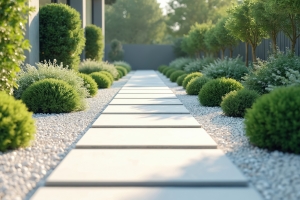
For sloped paths, driveways, or any area that sees significant rainfall, gravel’s drainage performance and erosion resistance give it a clear edge. Angular crushed white gravel holds its position on grades where loose sand would wash away in the first storm. Combined with stepping stones or pavers, a white gravel walk path creates a surface that is both structured and visually appealing, a popular choice in more formal landscape designs.
Maintenance Over Time
 Sand paths require more frequent attention. Foot traffic leaves visible prints and low spots that need raking. A good weed barrier or compacted base layer under the sand helps prevent weeds and keeps the sand from mixing into the soil. It also tracks into nearby indoor areas more readily than gravel.
Gravel is more forgiving. Uneven spots and thin patches develop over time, but correcting them typically means raking and adding fresh material. With a compacted base and simple edging, gravel stays in place longer, and maintenance often comes down to seasonal raking and top-ups.
Get the Right Walk Path Material With Barclay Earth Depot
Knowing which material fits your project comes down to how the space will be used, what the grade looks like, and how much ongoing upkeep makes sense. Barclay Earth Depot’s team can help you decide between white landscaping sand, white gravel, or a combination that’s right for your path, and calculate quantities and arrange delivery so your project stays on schedule. Reach out to us today at (941) WE-DIG-IT or online.