 Essential Takeaways
- Asphalt, wood mulch, and other dark surfaces can reach temperatures of 120 to 150 degrees Fahrenheit. Light-colored quartz sand stays cool by reflecting solar radiation rather than absorbing it.
- Albedo measures how much solar energy a surface reflects. It is the difference between heat-reducing ground cover and heat-trapping ground cover. White quartz sand carries one of the higher albedo ratings among landscape materials.
- As organic wood mulch darkens with age and moisture, its albedo drops. Then, the surface temperature rises. This makes it a poor long-term choice for heat-sensitive commercial sites.
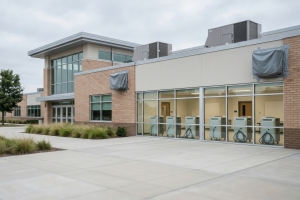
- High-albedo ground cover lowers the radiant heat load on building exterior walls and HVAC equipment. It reduces cooling demand during peak summer months.
- Architects and landscape designers pursuing LEED certification or climate-smart site standards can use reflective aggregates as a documented, quantifiable contribution to heat island reduction credits.
Florida’s commercial parking lots, civic plazas, and building perimeters absorb heat all day and release it at night. Dark mulch, compacted soil, and asphalt drive that cycle. They raise ambient temperatures and increase the energy load on surrounding structures. Light-colored aggregates like white sand break that cycle by reflecting sunlight instead of storing it.
What Albedo Means for Ground Surface Temperature
Albedo is the ratio of solar radiation a surface reflects versus what it absorbs, expressed on a scale of 0 to 1. A surface with an albedo of 0 absorbs everything; a surface with an albedo of 1 reflects everything.
In practice, standard asphalt sits around 0.05 to 0.10, meaning it absorbs 90 to 95 percent of incoming solar energy. White quartz sand typically carries an albedo in the range of 0.25 to 0.45. This is among the higher values available for a ground cover material used at scale.
The practical consequence is surface temperature, not just air temperature. According to EPA research on urban heat islands, dark surfaces can run hotter by 50 to 90 degrees Fahrenheit on a clear summer day. Under the same conditions, white quartz sand stays closer to ambient air temperature. White quartz sand scatters solar radiation back upward before it converts to heat. For people moving across those surfaces, the temperature difference is apparent.
Why Wood Mulch Is Not a Long-Term Heat Mitigation Tool
Organic wood mulch is widely used in Florida landscaping. It offers genuine benefits for moisture retention and soil health. Its thermal performance is another matter. Fresh light-colored mulch starts with a modest albedo. Wood mulch darkens within weeks as moisture and microbial activity break it down. Once decomposed, its value as a heat-reflective surface is gone.
The durability gap matters for commercial properties with defined maintenance intervals. White quartz sand, by contrast, does not biodegrade or change color under UV exposure.
HVAC Load Reduction and Energy Efficiency on Commercial Sites
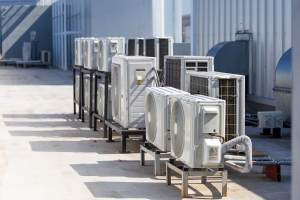 The connection between ground surface temperature and HVAC performance is more direct than commonly assumed. Buildings in Florida already run cooling equipment for eight to ten months of the year. Radiant heat from surrounding dark surfaces adds to the thermal load those systems manage. It raises energy consumption during peak demand hours.
Reflective ground cover around a building’s perimeter reduces radiant heat. The Heat Island Group at Lawrence Berkeley National Laboratory found that high-albedo surfaces can cut HVAC use by 10 to 20 percent. This rate fluctuates depending on building orientation, climate, and surface area. For commercial properties in Florida, it represents a meaningful annual operating cost reduction.
Applying This to Florida’s Climate Profile
Florida’s long cooling season, high solar intensity, and concentrated summer rainfall amplify the thermal performance gap between dark and reflective surfaces. NREL’s National Solar Radiation Database puts Florida’s annual Global Horizontal Irradiance between 4.5 kWh/m²/day in the Panhandle and 5.7 kWh/m²/day in South Florida. That highlights the need for surface materials that provide higher albedo rates.
Summer rain temporarily cools surfaces through evaporation, but only until the surface dries. Within hours of a storm passing, dark surfaces return to high-heat behavior. Reflective aggregate does not depend on moisture to perform. Its thermal advantage holds whether the surface is wet or dry.
Reflective Aggregates and LEED Certification
The U.S. Green Building Council’s LEED rating system includes a heat island reduction credit under its Sustainable Sites category. For hardscape and non-roof surfaces, LEED awards points for achieving a solar reflectance index (SRI) value of 29 or higher. They also reward points when at least 50 percent of the hardscape area is covered with a high-SRI material. White quartz sand and other light-colored aggregate products can meet these thresholds when specified with documented SRI values.
If you are pursuing certification with climate-smart programs such as SITES or FHWA’s Green Infrastructure standards, you must provide documentation. A color description does not qualify. Material data with reflectivity figures does.
Practical Specification Considerations
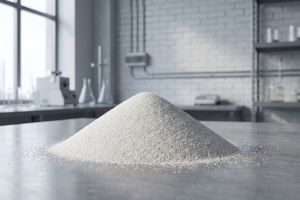 White Prestige Sand and similar light-colored quartz aggregates perform well. They are ideal for pedestrian areas, around building perimeters, in landscape beds, and in open plaza spaces. Finer grades hold positions better under foot traffic. For building perimeters, coarser grades drain faster and resist displacement during heavy rains.
Florida’s summer downpours are intense enough that drainage behavior matters, too. Aggregate ground cover lets water percolate rather than pool. It keeps the reflective surface intact after the storm passes. That combination makes reflective aggregates ideal for green site design.
Source Reflective Aggregate for Commercial and Institutional Projects From Barclay Earth Depot
Barclay Earth Depot supplies fill dirt, aggregate products, and specialty materials including White Prestige Sand. We supply commercial and institutional sites across Central and Southwest Florida. Our team’s 80-plus years of combined experience means our recommendations reflect how these materials actually perform in Florida conditions. Bulk delivery is scheduled to align with your timeline. Contact us today at (941) WE-DIG-IT or request a quote online to arrange aggregate delivery on a schedule that fits your project.