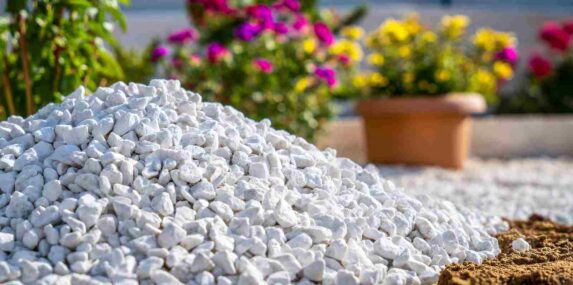
Essential Takeaways: White sand for landscaping paths is soft, barefoot-friendly, and stays cooler than denser surfaces in direct sun. White gravel walk path surfaces hold their position better under foot traffic and outperform sand on sloped or drainage-sensitive terrain. Sand paths need firm edging and more frequent raking than gravel to stay level and contained. […]
Blog
A Guide to Backyard Beach Landscapes
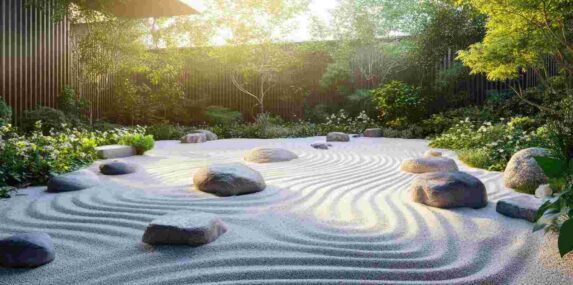
Essential Takeaways: Excavate 4 to 12 inches deep, depending on planned use: light lounging, play zones, or high-traffic areas; each requires a different depth. A clean fill dirt base layer prevents organic decomposition that causes white sand used for landscaping to sink and discolor. Landscape fabric and edging physically separate your finish sand from Florida’s […]
How To Repair a Washed-Out Driveway With Crushed Concrete
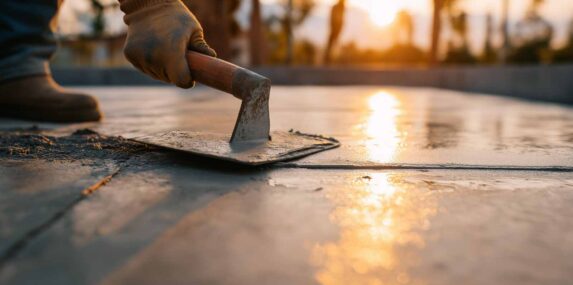
Essential Takeaways Crushed concrete’s angular particles lock together more tightly than rounded gravel, making it more resistant to rutting and washout as lakeland aggregate. Proper regrading with a crowned center is the most important step before adding any new material. Spreading aggregate in thin compacted layers produces a denser, longer-lasting surface than dumping it all […]
Why Lakeland Is the Hub of Florida’s Industrial Boom and the Materials Powering It

Essential Takeaways Lakeland’s central position on the I-4 corridor has made it one of Florida’s fastest-growing warehouse and distribution markets. The city adds over 1 million square feet of industrial and manufacturing space every year, with roughly 30 million total square feet in operation. Lakeland Central Park alone plans for up to 5 million square […]
How To Build a Professional-Grade Sand Volleyball Court
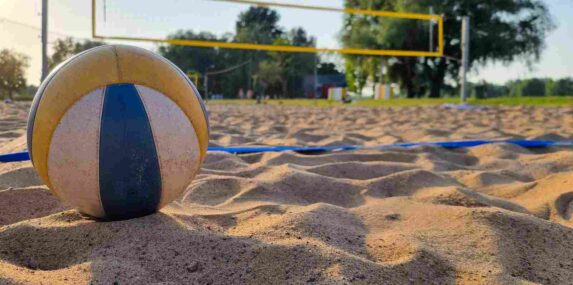
Essential takeaways A standard sand volleyball court for doubles measures 26’3″ by 52’6″, with a minimum free zone of about 10 feet on all sides, for a total footprint of roughly 46’ by 72′. Orient the court lengthwise, North to South, so players aren’t staring directly into the sun during morning and evening games. Sand […]
Why ‘Sugar Sand’ Is the Secret Weapon for Florida’s Luxury Hospitality ROI
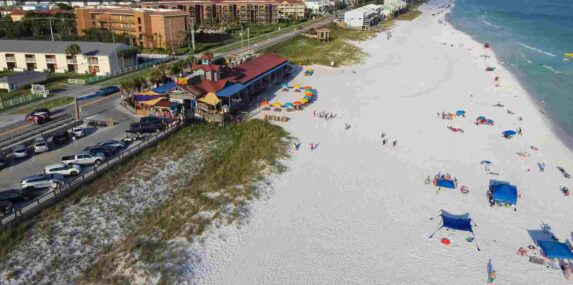
Essential Takeaways Florida’s sugar sand gets its white color from quartz that has been purified over millions of years, producing grains that are 97% to 99% pure silica. White quartz sand stays cool underfoot because it reflects solar radiation, directly affecting guest comfort at resort properties. Beach and waterfront experiences are the top activities for […]
Guide to Coordinating Bulk Sand for Beach Weddings

Essential Takeaways Fine white sand creates the most convincing beach aesthetic for inland weddings, with bright color, soft texture, and a cooler surface temperature than darker construction-grade alternatives. Plan for a minimum of 2-3 inches of depth across your ceremony footprint, then add 10% to your quantity estimate for spreading and settling. Site containment comes […]
How To Pair White Sand With Native Florida Plants

Essential Takeaways White sand reflects sunlight, amplifying the visual impact of architectural plants such as palms and sea grape. Florida’s native plants evolved in sandy, nutrient-poor soils, making them natural companions for white sand landscapes. Matching plant species to their correct sandy soil zone determines long-term success without extra irrigation. Drought-tolerant natives such as muhly […]
How the Right Fill Dirt Can Help Prevent Flooding During Florida’s Rainy Season
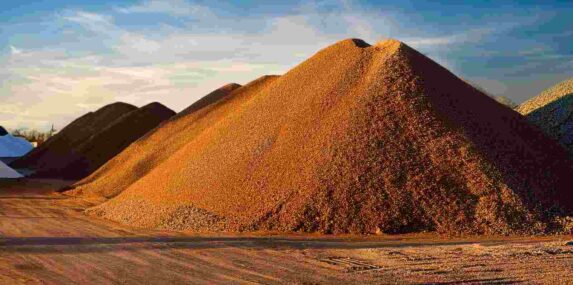
Essential Takeaways Proper fill dirt selection and placement are your first line of defense for flood prevention on Lakeland, FL job sites. Sandy native soils in Central Florida drain fast but offer poor structural support, which is why engineered fill dirt matters. Compacting fill dirt in 6- to 8-inch lifts and maintaining a minimum 5% […]
