Essential Takeaways
- Remove all topsoil, vegetation, and organic material to expose firm subsoil before placing fill dirt.
- Layer fill dirt in 6 to 12-inch lifts and compact each layer thoroughly before adding the next.
- Maintain proper moisture content using the squeeze test to establish effective compaction.
- Achieve 95% to 98% compaction density to prevent sand settlement and surface failures.
- Grade the final surface to direct water away from structures before applying sand layers.
Uneven sand surfaces and drainage problems that cause water pooling typically stem from inadequate preparation of fill dirt. Sand needs a stable, uniform base because it can’t compensate for ground movement or settling underneath. Without proper site preparation using fill dirt in Lakeland, you could end up with costly repairs and project delays when the sand layer develops depressions or shifts during Florida’s heavy rain seasons.
Clear Vegetation and Expose Stable Subsoil
Start by removing all topsoil, grass, roots, and organic debris from your work area. Topsoil contains decomposing plant matter that creates voids as it breaks down, which leads to uneven settling under your sand layer. You want to expose the firm subsoil underneath, which provides your first stable layer for building up with fill dirt.
Mark any areas where water collects during rain, since these low points require extra attention during the filling process. If the ground feels soft or unstable when you walk across it, you need to address those spots before adding fill dirt.
Control Moisture Content for Lakeland’s Climate
Fill dirt compaction depends heavily on moisture levels, and Lakeland’s humidity creates specific challenges. You need fill dirt that’s slightly damp but not overly saturated to achieve proper compaction. Material that’s too dry stays loose and crumbly even after tamping, while overly wet fill dirt acts like mud and won’t compress into a stable base.
Check moisture by squeezing a handful of fill dirt. It should hold together when compressed, but break apart easily when you poke it. If the material feels dusty and falls apart immediately, mist water over the surface and mix it in before compacting. During Lakeland’s rainy season, you might need to let wet fill dirt dry before working with it, or blend in drier material to reach workable moisture levels.
The sandy composition common in Central Florida fill dirt drains faster than clay-heavy materials, so you may need to add moisture more frequently during placement. Keep a water source on site and be prepared to adjust moisture as you work through the day.
Place Fill Dirt in Compacted Lifts
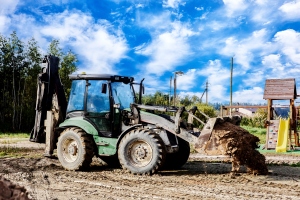 Never dump all your fill dirt at once and expect to compact just the surface. You must place material in thin layers, called lifts, typically 6 to 12 inches thick, and compress each lift thoroughly before adding the next layer. This process establishes uniform density throughout your fill area, from the bottom to the top.
Use a vibratory plate if you’re only compacting a small area or a drum roller for a larger site. Make multiple passes over each lift until the surface feels firm and shows no visible movement when you walk across it. The fill dirt should compress noticeably from its loose thickness after proper compaction.
For projects in Lakeland that will support heavy equipment or structures, target 95% to 98% compaction density based on the Proctor test standard, which measures maximum dry density. This level of compaction prevents future settling, which could cause your sand layer to develop uneven spots or drainage problems.
Grade for Drainage Before Final Compaction
Lakeland’s high annual rainfall means drainage planning can’t be an afterthought. Before you place your final lift of fill dirt, establish the grade that will direct water away from structures and prevent pooling. The surface should slope at least 2%, which is equivalent to a 2.5-inch drop over 10 feet, to keep water moving rather than collecting in low areas.
Mark your desired elevations with stakes and string lines before placing the top layer. This approach prevents the need to rework compacted material, which can disrupt the density you’ve already achieved in lower lifts. Pay attention to how your graded surface connects to existing drainage features or swales on the property.
After establishing your final grade and compacting the top lift, allow the site to settle for 24 to 48 hours before you apply sand. This settling period allows minor adjustments to take place and gives you time to observe how the area handles water if it rains. Walk the site after the rest period to check for any soft spots that might need additional compaction.
Verify Surface Stability and Uniformity
 Before bringing in your sand material, walk the entire prepared area systematically. The compacted fill dirt surface should feel consistently firm with no soft spots or areas where your boots sink in. Use a straight edge or laser level to verify that your grade matches your plans, since correcting elevation issues after sand placement wastes material and time.
Test drainage by running water across the surface if you haven’t had recent rainfall. Water should move steadily in your intended direction without pooling or creating erosion channels. Any problems you spot now are far easier to correct than they will be after sand installation.
Order Premium Fill Dirt in Lakeland, FL Today
Barclay Earth Depot‘s team has helped countless Lakeland contractors prepare sites that support long-term sand performance. We comprehend how Central Florida’s sandy soils and humid climate affect fill dirt behavior, and we provide the high-quality materials you need for proper compaction and stability. Contact us today at (941) WE-DIG-IT or online to discuss your site preparation requirements and source high-quality fill dirt in Lakeland, FL.