
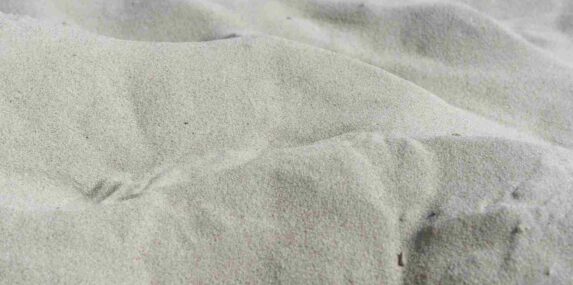
Essential Takeaways Fine white sand requires 95% minimum silica dioxide content for classification, providing superior chemical stability. FDOT Section 902 specifications mandate precise gradation tolerances with fineness modulus variation limited to 0.20 from the target. Concrete mixes using fine white sand show compressive strength increases between 5-29% compared to river sand. Lakeland’s acidic soil and […]
Aggregate Products
Using White Prestige Sand to Build Smooth, Durable Surfaces for Commercial and Municipal Projects

Essential Takeaways Consistent particle grading between 0.075mm and 4.75mm creates superior compaction and prevents surface unevenness. Angular grain structure provides better mechanical interlocking than rounded sand for long-term stability. Controlled stone powder content supports strong bonding and compaction. Uniform composition eliminates quality variations that cause premature surface deterioration. White Prestige Sand delivers both performance reliability […]
How Aggregate Sand Improves Compaction and Stability in Florida Construction
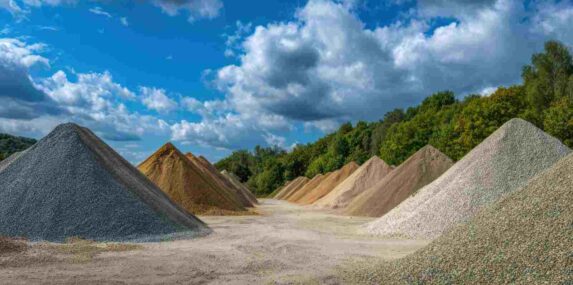
Essential Takeaways Angular particle shapes in aggregate sand create mechanical interlocking that significantly improves stability compared to rounded grains. Proper particle size distribution fills voids between larger grains, preventing settlement and improving load-bearing capacity. Florida’s high water table and sandy native soils require well-compacted aggregate bases to prevent foundation shifting. Optimum moisture content ranges from […]
Fine White Sand vs Regular Sand and Which One Offers Better Value for Construction Projects
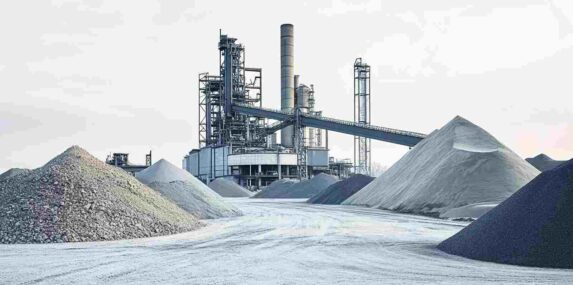
Essential Takeaways Fine white sand’s silica purity provides chemical resistance in Florida’s humid, acidic environment. Angular white concrete sand delivers comparable strength to standard construction sand in structural applications. Mason sand (fine white) excels in finishing work, while white concrete sand handles load-bearing requirements. Material selection depends on particle size and angularity, not color alone. […]
How to Estimate Fill Dirt and Aggregate Sand for Large Construction Jobs in Lakeland, FL

Essential Takeaways Calculate volume using length × width × depth in feet, then divide by 27 for cubic yards. Add 10-15% to your totals for compaction shrinkage in Lakeland’s sandy soils. Fill dirt weighs approximately 1.21 tons per cubic yard; dry sand weighs approximately 1.35 tons per cubic yard. Account for the depth of organic […]
The Complete Lifecycle of White Prestige Sand from Quarry to Construction
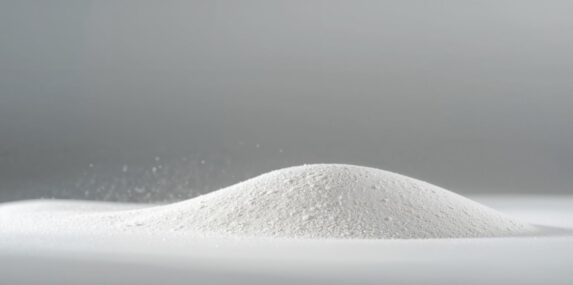
Essential Takeaways White Prestige Sand comes from Florida’s Lake Wales Ridge, formed 2 million years ago as ancient island chains emerged from the water. Processing removes clay and impurities through hydraulic washing, cyclone separation, and rotary drying to reduce slurry moisture to under 1%. Florida’s premium white sand contains 98-99% silica with construction-grade particle sizes […]
The Environmental Advantages of Using Locally Sourced Aggregate Sand in Lakeland, FL

Essential Takeaways Sourcing aggregate sand within 50 miles of your Lakeland project reduces transportation emissions by a large margin compared to distant suppliers. Local aggregate sand production supports Florida’s environmental regulations while reducing your project’s total carbon footprint. Regional sourcing creates supply chain stability and minimizes fuel consumption from long-haul trucking. Lakeland’s proximity to quality […]
Aggregate Sand vs. Fill Dirt and When to Use Each for Your Lakeland, FL Project
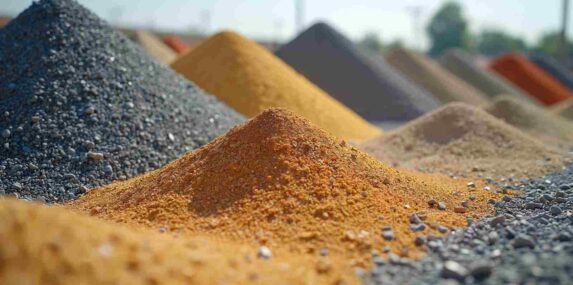
Essential Takeaways Aggregate sand provides superior drainage through particle spacing, making it important for water management applications. Fill dirt provides maximum stability and load-bearing capacity because it compacts tightly without decomposing organic matter. Lakeland’s humid climate and sandy soil conditions require strategic material selection to prevent settlement and water damage. Foundation work demands fill dirt’s […]
How to Mix Fine White Sand and Aggregate for Stronger, Longer-Lasting Concrete

Essential Takeaways A sand-to-aggregate ratio of 51-53% provides the best balance between strength and workability for most concrete applications. General-purpose concrete uses a 1:2:4 mix (cement: sand: aggregate), while structural work requires a stronger 1:1.5:3 ratio. Fine white sand particles between 0.075mm and 4.75mm with stone powder below 10% produce proper cement bonding. Proper curing […]
