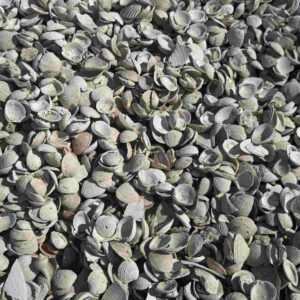
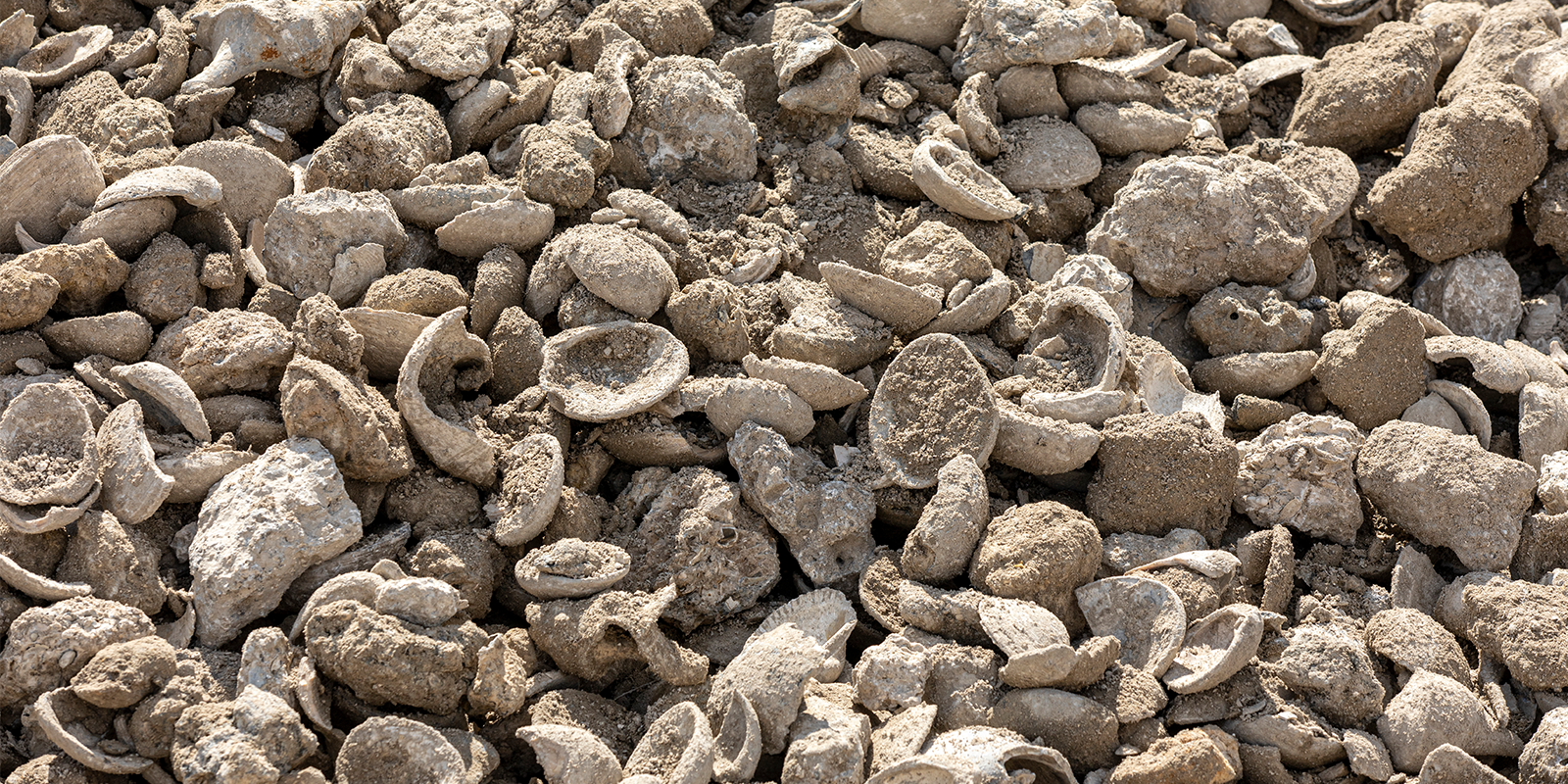
Millions of shells are generated each year thanks to oyster farming and typically end up as waste in municipal landfills. This by-product waste can be used as a cost-effective substitute for fine or coarse natural collections of materials or “aggregates,” which are often depleted by construction projects performed on roads and other infrastructure elements made of concrete or asphalt. Barclay Earth Depot is proud to sell shell aggregates to businesses throughout Florida. Here is a close look at this type of aggregate.
Types Of Shells
There are three primary types of shells: crushed, ground, and washed.
Crushed
Crushed shell aggregates are small in size and are typically recycled from licensed sources. They can be used to create seaside gardens and other aesthetically appealing landscapes.
Ground
Ground shells are natural shells found by bodies of water such as oceans and rivers. These shells are relatively large and have a low calcium content.
Washed
In certain cases, shells need to be washed and cleaned of any matter that may affect their texture and composition before they are crushed into aggregates, according to construction project standards. The most common methods used to accomplish this include air and sun-drying and exposure to intense heat (e.g. ovens).
Properties Of Shell Aggregates
Many types of mollusks have shells, including oysters, scallops, mussels, and clams. Here are the distinguishing characteristics of shell aggregates:
Compressive Strength
Many studies have shown that mixing concrete and oyster shells does not lead to a decrease in compressive strength, (a material’s level to resistance to breaking under compression) since this type of shell and cement paste adhere well to each other. However, ground shells can lower concrete’s early strength when mixed together. This is likely because of a reduction in the cement content that could decrease concrete’s hydration rate at early ages. This slow hydration rate (due to process disruption) normally occurs when ground shells are used because these types of shells have a lower calcium content than cement.
Tensile Strength
Tensile strength is a material’s level of resistance to rupturing under tension. Shells have been shown to gradually increase the tensile strength of concrete over time, especially after around 90 days. This increase is believed to be due to an improvement in the adherence between aggregates and cement paste. Ground shells can also cause a spike in the density of concrete.
Flexural Strength
Flexural strength is a measure of the maximum bending stress a material can withstand. Research shows that shell concrete’s flexural strength begins to steadily increase after around 4 weeks. Again, the cement’s calcium content and the strong adherence of the shell aggregates to the paste are behind this increase in strength.
Elasticity
Shell aggregates have been demonstrated to reduce the average Young’s Modulus of Elasticity of concrete. This modulus uses the Interfacial Transition Zone (ITZ) between the cement paste and the aggregates to determine concrete’s elasticity. New ITZ is created when cement accumulates and the water-to-cement ratio decreases.
Shell Aggregate FAQs
Shells are eco-friendly, locally sourced, and sustainable. They can replace fine or coarse aggregates in concrete and asphalt without reducing compressive strength.
Barclay Earth Depot supplies crushed shells, ground shells, and washed shells, each suited for different construction and landscaping applications.
Yes — studies show that oyster shells adhere well to cement paste, maintaining compressive strength. Over time, shell concrete can even improve tensile and flexural strength.
Compressive strength: Maintained when using oyster shells.
Tensile strength: Gradually increases after 90 days.
Flexural strength: Improves after about 4 weeks.
Elasticity: Shells reduce Young’s Modulus, making concrete slightly less stiff but more flexible.
Yes — they are recycled by-products of oyster farming, reducing landfill waste and offering a sustainable alternative to mined aggregates
You can call us directly at 941-WE-DIG-IT or request a quote online through our website.
Get High-Quality, Florida Shell Aggregates From Barclay
Contact the experts at Barclay Earth Depot in Florida to learn more about shell aggregates. We’re a woman-owned aggregate wholesale business dedicated to providing a wide variety of unique and high-quality products to our clients. We also oversee the entire process of acquiring all materials needed for a construction project from beginning to end. Call Barclay Earth Depot today at 941-WE-DIG-IT for more information about our aggregate products or request a quote online.